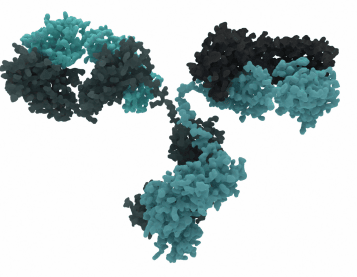
Biosimilars are biological products that are highly similar to reference products despite minor differences in clinically inactive components and have no clinically meaningful differences in safety, purity, and potency. The biologics or biosimilars are produced using a unique cell line and a proprietary process that varies from manufacturer to manufacturer.
Is there any difference?
The pressure of rising costs of medical treatments for patients across the globe has created a significantly high demand for biosimilars. The biosimilars are expected to serve as a cost-effective alternative to costly biologics, resulting in a much-needed reduction in medical treatment expenditure and improving access to high-quality, life-saving drugs.

| Clinical Advantages | Market Advantages |
|---|---|
| Many cancers can be effectively treated or cured when diagnosed early, such as HER2-positive breast cancer with Trastuzumab. | Affordability |
| Monoclonal antibodies (MAbs) have significantly enhanced quality of life, such as Adalimumab in rheumatoid arthritis (RA) or Bevacizumab in combination chemotherapy. | Expands patient access to advanced biologic treatments |
| Disease relapse rates have been reduced in conditions such as Non-Hodgkin Lymphoma (NHL) using Rituximab. | Reduces the burden on healthcare systems and overall healthcare expenditure |
| Improved patient compliance and outcomes; for example, Erythropoietin/Darbepoetin in chronic kidney disease (CKD) has reduced the need for blood transfusions. | Creates significant growth opportunities for biosimilar manufacturers |
| Expands treatment options for diseases with limited or previously unavailable therapeutic alternatives. | Promotes competition and challenges the high-cost pricing models of innovator biologics. |